
Whimsical Journaling Rituals
Five ways to turn your journaling routines into rituals and thirteen prompts for a more whimsical practice to reinvigorate your writing

Foreword
My How To Start Journaling guide was the most charged and passionate writing I had done in a very long time and the catalyst that propelled me back into the newsletter space. In publishing it, I really solidified what the crux of what my newsletter is. Every month, one out of the four pieces I publish will be about journaling as a topic plus prompts.
There was this energy I had when I first started my newsletter that got lost in the fray. For a long time, when it pertained to the blog, I had an identity crisis because I was struggling to define what my newsletter meant to me. Sharing my love for journaling (amongst my many other artistic interests!) seems to have rekindled the flame.
Happy journaling, I’ve saved the most whimsy suggestion for last!
Jada
For more journaling prompts:

Previous newsletter:

Crossing The Threshold Between Routine and Ritual
Routine and ritual are two parallel lines that mirror each other; material that is cut from the same cloth but made into different garments; analogous; the “two supreme deities of habit.”
Different functions incur different consequences. In her essay The Difference Between Routine and Ritual, Maria Popova distinguishes the difference between routine and ritual through the following:
“... While routine aims to make chaos of everyday life more containable and controllable, ritual aims to imbue the mundane with an element of the magical. The structure of routine comforts us, and the specialness of ritual vitalises us.”
I would even go so far as to argue that it is ritual over routine that requires greater attention due to the presence of intention, deliberation and presence. The magical aspect of ritual comes from how it harnesses our energy, senses and environment. Hence, the routine of writing in a diary turns into the sacrosanct ritual of synergising our inner and outer landscapes through words.
Journaling paraphernalia are symbolic of this process. Many writers, readers and journalers have a writing practice that is assiduously aligned with objects that invoke the senses: candles, incense, mugs, teas, hand cream, jewellery. Renate Dulsie shifted the trajectory of the online journaling space by sharing a video of her journaling ritual, which began with applying lipstick, wrapping a scarf and dabbing perfume. These objects deify the practice of journaling through a reverence towards touch, smell, taste, sight and hearing; the senses that allow us to interpret and transmute the world.
But what greater steps can we take to cross the threshold between routine and ritual? In place of physical symbols, I have compiled a list of five energetic anchors, paired with some journaling prompts, to channel more whimsy into your journaling practice.
Rituals and Prompts To Add Whimsy To Your Journaling Routine
1. Define your next journaling ‘season’ with a colour and a theme
When the focus of journaling lies exclusively in productivity spheres, pressure mounts and it begins to lose its magic. No longer is journaling an enjoyable experience when it has the familiar weight of obligation.
✷ Prompt: If you could define this season of your life with a colour and a word, what would it be?
The act of transforming thought into writing, regardless if it is truth or fiction, is at its core a conceptual process. Ideasthesia, or “sensing concepts,” is a psychological phenomenon that we can build off of and utilise as an energetic anchor because it allows us to recenter and reject hyper-productivity. Ideas, and therefore meaning, can trigger experiences where the concept activates a response. In the context of this ritual, attributing a colour and a word/theme to our journaling practice allows access to our creative capacities to connect and combine the abstract into something that is deeply personal. The process of pulling these elements together creates a more holistic understanding of our personal introspections.
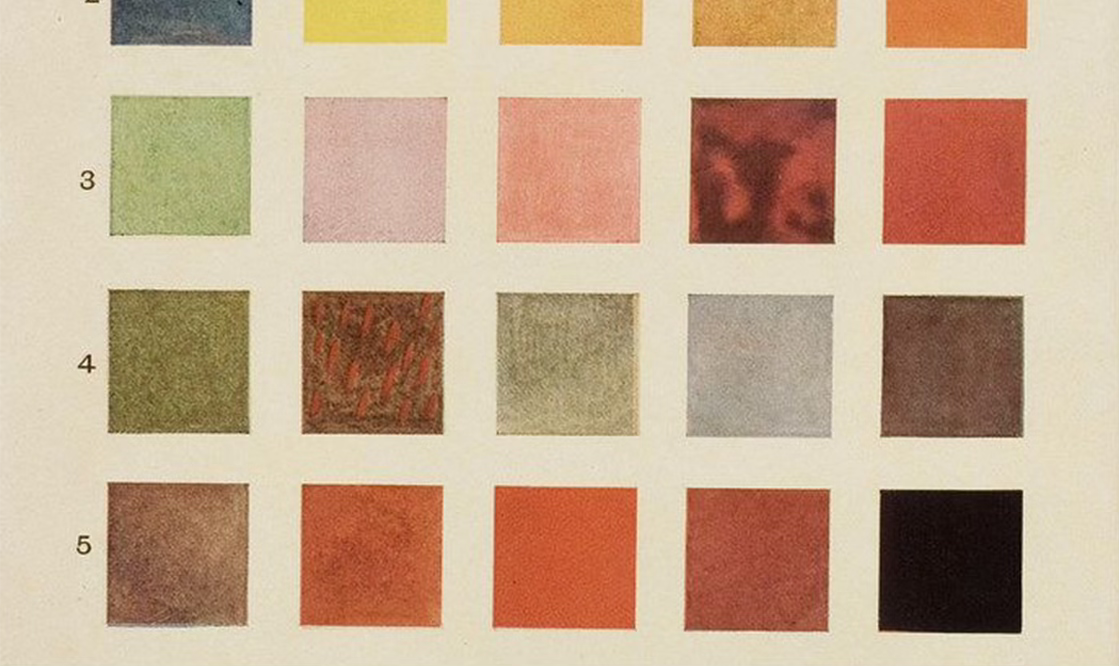
Attributing emotions to colour is a phenomenon I have already written about. In journaling and writing, consider combining it with chromatic and thematic reflections to stave off the voice at the back of your head that desires productivity from every task. Through this process, the concept of journaling transforms to one of personal meaning.
✷ Prompt: Discuss how your colour and your word are connected.
Reflecting on your chosen colour and theme is already an introspective experience. But I leave you not with the question “What is your colour and theme?” but instead:
What does it mean to you? (If you struggle to articulate this, that’s the point. Sometimes channeling our inner whimsy is all about being comfortable and inspired by the indefinable!)
2. Use different pen colours when travelling
Piggybacking off of the above suggestion, another whimsical journaling ritual is inspired by the excitement you feel when you’re about to embark on a trip– a unique way to mark the occasion and signpost a change in your physical location is to change pen colours for the duration of a trip. This energetic anchor shifts the modality of your journaling practice and creates a refreshed association with an exciting experience.
✷ Prompt: Write about the highlight of your last trip and choose a pen colour to match
There is so much more variety beyond the standard black, blue and red ink. Whoever said that you had to journal in one of those three colours? In the same way you put intention behind choosing a colour and theme for your journal, choosing a pen colour exclusively for a specific trip is another way to strengthen your mind’s creative and conceptual eye.
Perhaps a memorable road trip is marked by a pen that is the colour of the red earth that combines sediment, rock and sand on the tires and the sides of the care, or a trip to an ocean town is marked by teal, inspired by a conversation you had with a friend where you asked them if the sea was blue or green. Perhaps all trips you take with a loved one are a romantic maroon colour. What if all museums you visited were written about in an archaic sepia? Next time you go camping, you could match the colour of your pen with your tent!
✷ Prompt: Write about a destination that’s on your bucket list
Before your next trip, even if it’s a small one, have a think about what colour pen to get. Sometimes, that bit of whimsy you need is as small as the colour of the ink you choose to meet the page.
3. Play a solo journaling game
When I think of the word whimsical, other words also come to mind: magical, creative, fun. A unique ritual that renounces the need to exclusively journal for introspective purposes is using our journal for mediums that encourage play. Accessing the more whimsical parts of ourselves are sometimes not found in writing about our realities, but in exploring fiction.
✷ Prompt: What archetypes are you naturally drawn to and why? Create a character that is inspired by this and write an entry from their perspective.
Solo journaling roleplaying games serve as a medium akin to that of magic realism– despite the austere, wacky and whimsy directions these games can be taken in, they make acute observations about the world around us and how we interact within it. Whether they are used as a self-insert to stretch our imagination, or we build characters with qualities and aspirations similar to our own, journaling games ritualise our writing practice because they prioritise self discovery through the mediums of joy and creativity.
“What is fantasy? On one level, of course, it is a game: a pure pretense with no ulterior motive whatever. It is one child saying to another child, “Let’s be dragons,” and then they’re dragons for an hour or two. It is escapism of the most admirable kind—the game played for the game’s sake.
On another level, it is still a game, but a game played for very high stakes. Seen thus, as art, not spontaneous play, its affinity is not with daydream, but with dream. It is a different approach to reality, an alternative technique for apprehending and coping with existence. It is not antirational but pararational; not realistic, but surrealistic, superrealistic, a heightening of reality.”
– Ursula K. Le Guin, On Fantasy
✷ Prompt: Make a list of characters you relate to and their personality traits.
The journaling roleplaying game that inspired this suggestion is Koriko: A Magical Year. Games like these add interesting tools to journaling such as dice and tarot cards. The way these objects interact, paired with a story unfolding, allows us to seek comfort, as opposed to confrontation of meeting ourselves on the page.
✷ Prompt: Write about your current consciousness as if you were a fantasy character embarking on a quest. How does the fantastical reflect your reality?
4. Baptise your journal in water
Water can be an aspirational energetic anchor that we can not only learn a lot from, but embody in our journaling practice. Take your journal to any body of water– it could be the sea, a pond, a lake, a quarry, a waterfall, a river, a brook, a stream. If possible, choose a focus for your journaling session, and go for a swim. As you float in the water, meditate on your focus. When you get out, dry off naturally; it is okay to hold your journal and pen with wet hands.
✷ Prompt: What can you learn from your favourite type of body of water?
If you’re feeling extra brave, dip the corner of your journal into the water. (Don’t worry, it will dry.) In this way, you don’t need to worry about your handwriting not being neat, writing between the lines properly, or presenting your journal in pristine conditions– not when your journal has tasted salt and risk.
Journaling with water in this way creates a twofold impact: the first being its unpredictability, the ebb and flow of its behaviour. When we sit down to write, who knows what will unfold?
The second is that it fights our inner perfectionist. When we take our journals outside of our homes and into the wider world, particularly near water, its fragility and vulnerability become apparent.
Finding ways to become comfortable with the combination of water and paper allows us to channel the carefree attitude that is often associated with whimsy. It reminds us to go with the flow, not be so rigid, and take it easy.
✷ Prompt: Set a timer for ten minutes and write a stream-of-consciousness entry with no full stops.
Water exists in a transient state, it is never truly still. Tides change, swell, and rip. When we accept emotions and thoughts as they arrive, events as they unfold, and the link between it all, we remain curious, lucid and in alignment with both change and stagnancy. Automatic writing is a private conversation with our subconscious that creates transparency in the same way water does to paper when wet.
5. Write with the phases of the moon
Moon and Water by Mary Oliver
I wake and spend
the last hours
of darkness
with no onebut the moon.
She listens
to my complaints
like the goodcompanion she is
and comforts me surely
with her light.
But she, like everyone,has her own life.
So finally I understand
that she has turned away,
is no longer listening.She wants me
to refold myself
into my own life.
And, bending close,as we all dream of doing,
she rows with her white arms
through the dark water
which she adores.
Mary Oliver’s poem Moon and Water positions the moon as an eternal companion that wanes and waxes, appears and disappears, that we can learn from and be independent from.
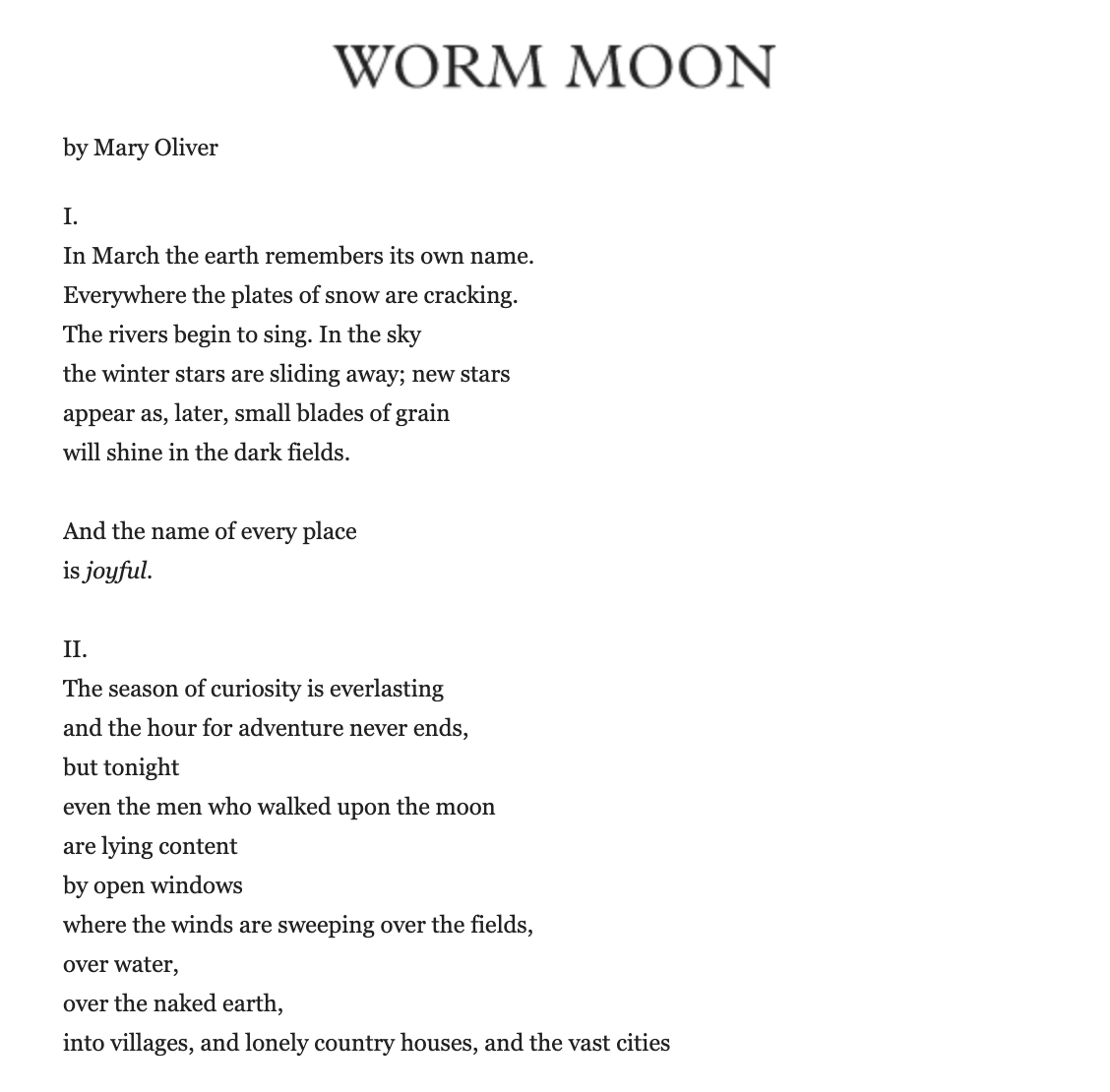
“She wants me to refold myself into my own life” – the moon becomes a conduit in this poem for introspection, with the caveat that whilst she cannot figure out everything for us, we can use her celestial symbolism akin to the advice of a good friend. In personifying the moon as an eternal companion, this poem reminds us that the most potent energetic anchors can be found when we look beyond ourselves. The moon has an unmatched profundity; “row[ing] with her white arms through the dark water,” a light in the darkness, a natural time keeping device, a ritualistic symbol that we have connected to since the dawn of time.
In astrology, the moon is the heavenly ruler of our emotions. Moon journaling aligns our internal states and feelings with the different phases of the moon. The most whimsical ritual of this list requires a calendar to track the moon, and a curiosity to commune with the sky during the four phases of its cycle:
New Moon
The side of the moon that faces Earth is not yet lit up, feigning disappearance from the sky as it conjuncts the sun. But a new moon still has presence, heralding new beginnings or a fresh start. It is opportunity, rebirth, beginning and hope.
✷ Prompt: Write a letter to the moon about your hopes, ambitions and dreams.
The Waxing Moon
The moon’s light builds, turning to themes of expansion, movement and growth. This is the phase of the moon that is aligned with vision and what we wish to cultivate. I find that reading poetry such as Mary Oliver’s Moon and Water allows me to build inspiration and begin making moves.
For inspiration, here is a curated list of Mary Oliver poems about the moon:
Other poems about the moon:
The Moon & The Yew Tree by Sylvia Plath
I Watched The Moon Around The House by Emily Dickinson
Full Moon & Little Frieda by Ted Hughes
✷ Prompt: Annotate a poem about the moon
Full Moon
Swollen and at her brightest, the full moon is at the height of her power as she directly opposes the sun, shining like a beacon in the night sky. This phase is one of harvest and plenty, but it can also be an overwhelming time as our emotions are heightened by the pull of the moon. A full moon is a sound opportunity to redirect this emotional intensity, and choose what we illuminate with our energy.
✷ Prompt: Describe a round-circle, serendipitous moment you experienced recently that brought you joy.
Last Quarter Moon
The final quarter of the moon denotes release. Part of using the moon as an energetic anchor means knowing when to let said energy go. Take a long breath in and out– the last quarter moon encourages introspection, but also release and forgiveness. Like in Moon and Water, the moon “like everyone, has her own life.” In Mary Oliver’s words, during this phase the moon could “no longer be listening” due to the need to return to the self.
✷ Prompt: In pencil, write down your woes and worries. Then, with an eraser, create a blackout poem.
Whimsical Journaling Prompts
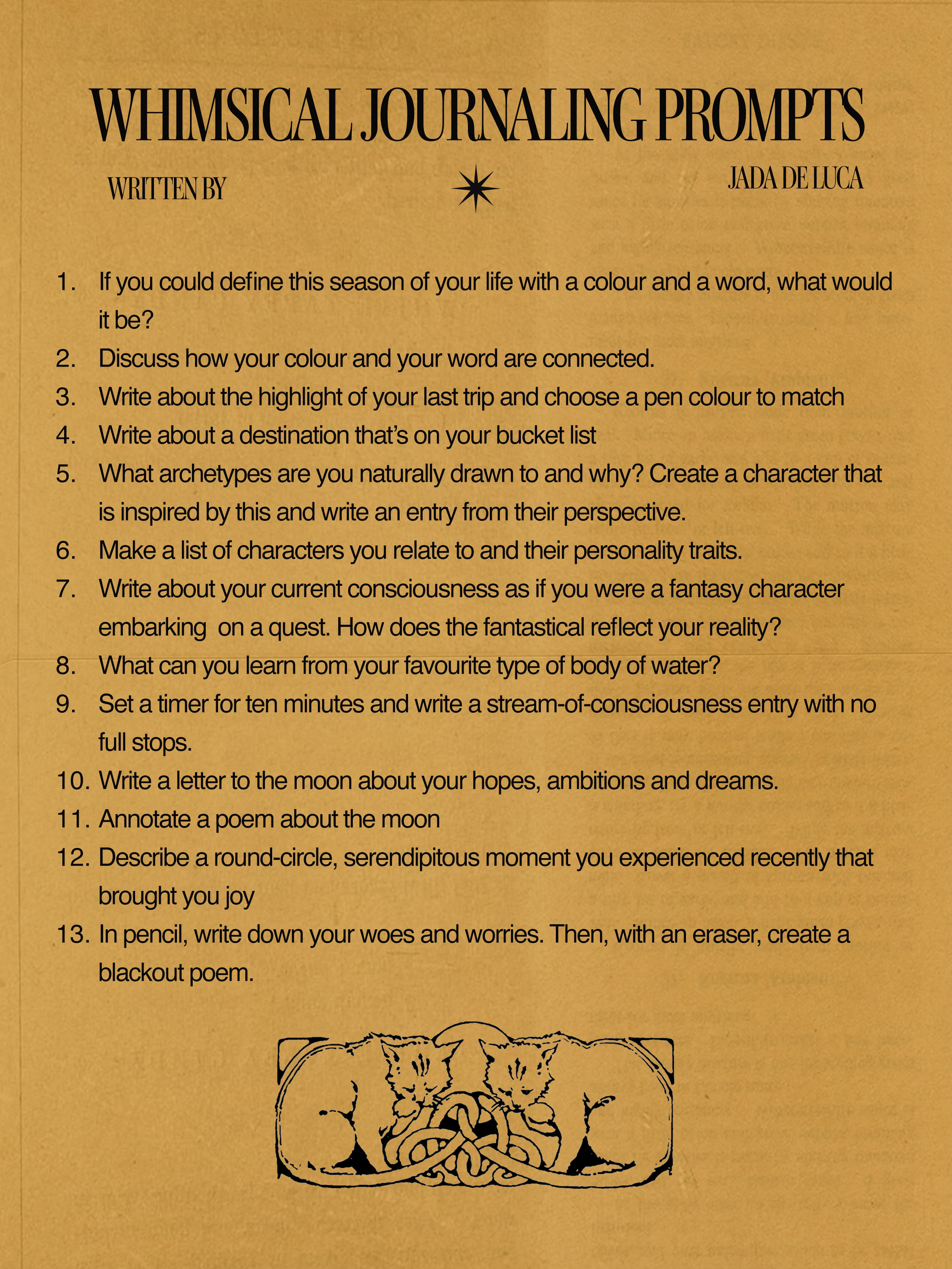
If you could define this season of your life with a colour and a word, what would it be?
Discuss how your colour and your word are connected.
Write about the highlight of your last trip and choose a pen colour to match
Write about a destination that’s on your bucket list
What archetypes are you naturally drawn to and why? Create a character that is inspired by this and write an entry from their perspective.
Make a list of characters you relate to and their personality traits.
Write about your current consciousness as if you were a fantasy character embarking on a quest. How does the fantastical reflect your reality?
What can you learn from your favourite type of body of water?
Set a timer for ten minutes and write a stream-of-consciousness entry with no full stops.
Write a letter to the moon about your hopes, ambitions and dreams.
Annotate a poem about the moon
Describe a round-circle, serendipitous moment you experienced recently that brought you joy.
In pencil, write down your woes and worries. Then, with an eraser, create a blackout poem.
Afterword
Apologies for the late post this (last?) week! This weekend, I was celebrating reaching 888 subscribers, which was a fun goal I had set myself for my newsletter… And then we reached 1k on Monday. I’m still in shock! I’m elated! I’m inspired! Thank you!
A warm welcome to all of my new readers as this will be our first meeting in your inbox. Thank you for reading and engaging with my work, I am really excited to build a community surrounding a reading, writing and journaling life. It has been brilliant connecting with you all in the comments and DMs.
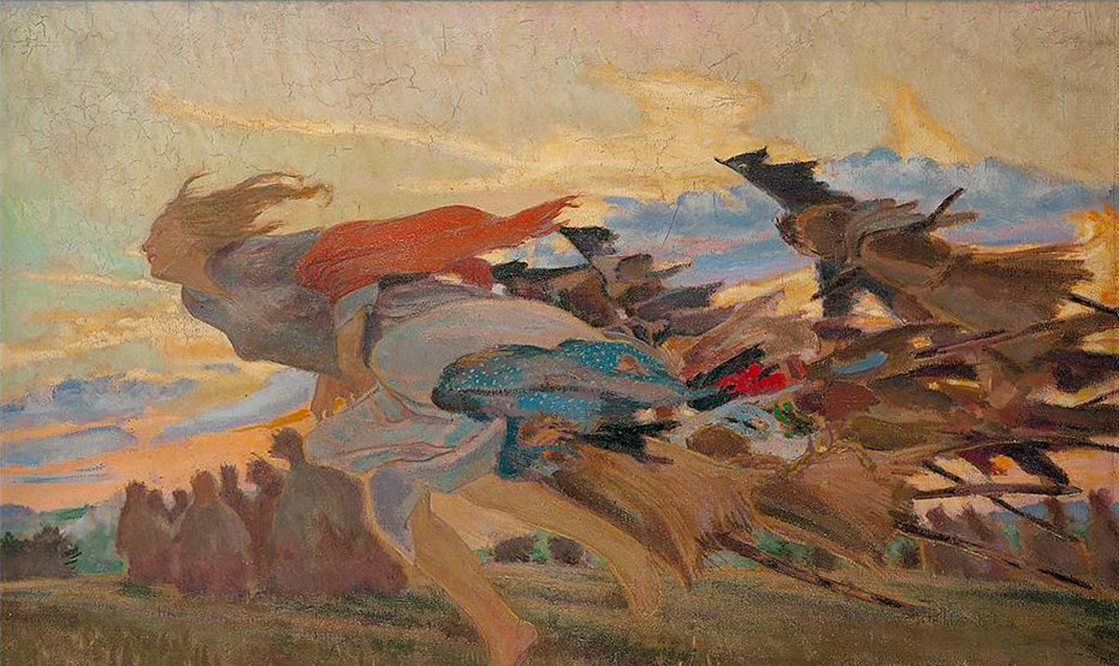
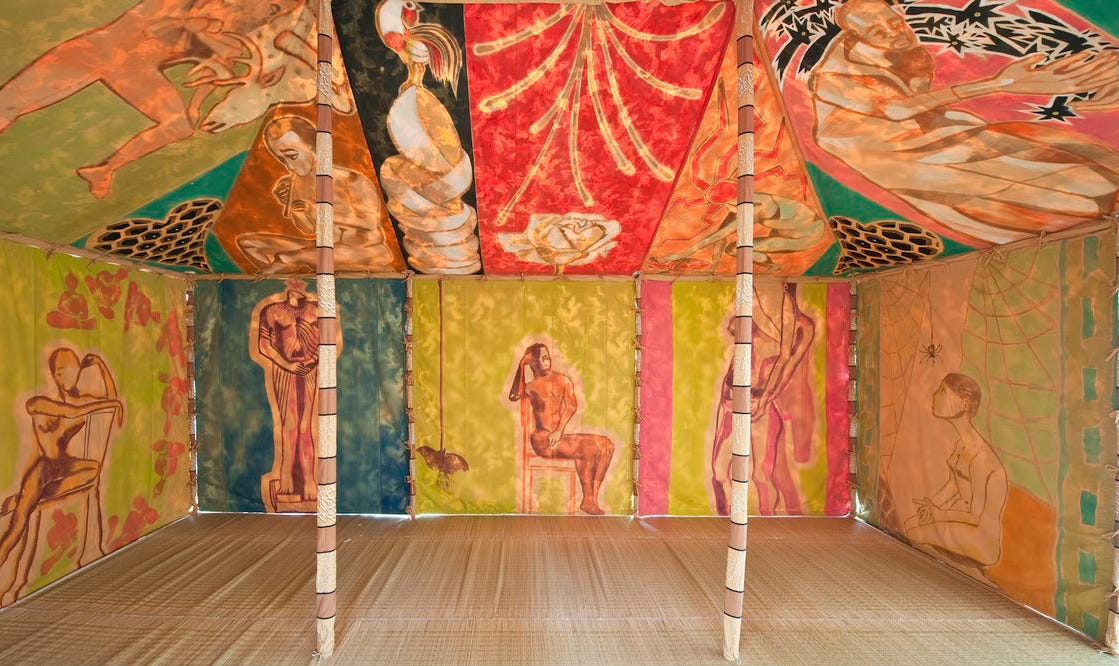
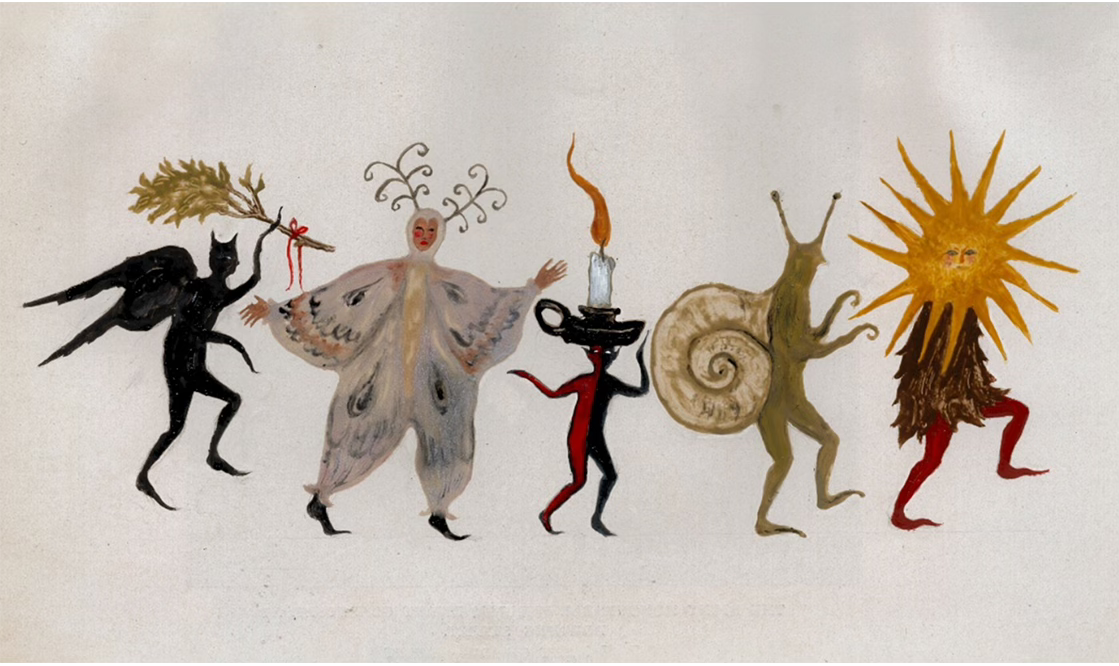
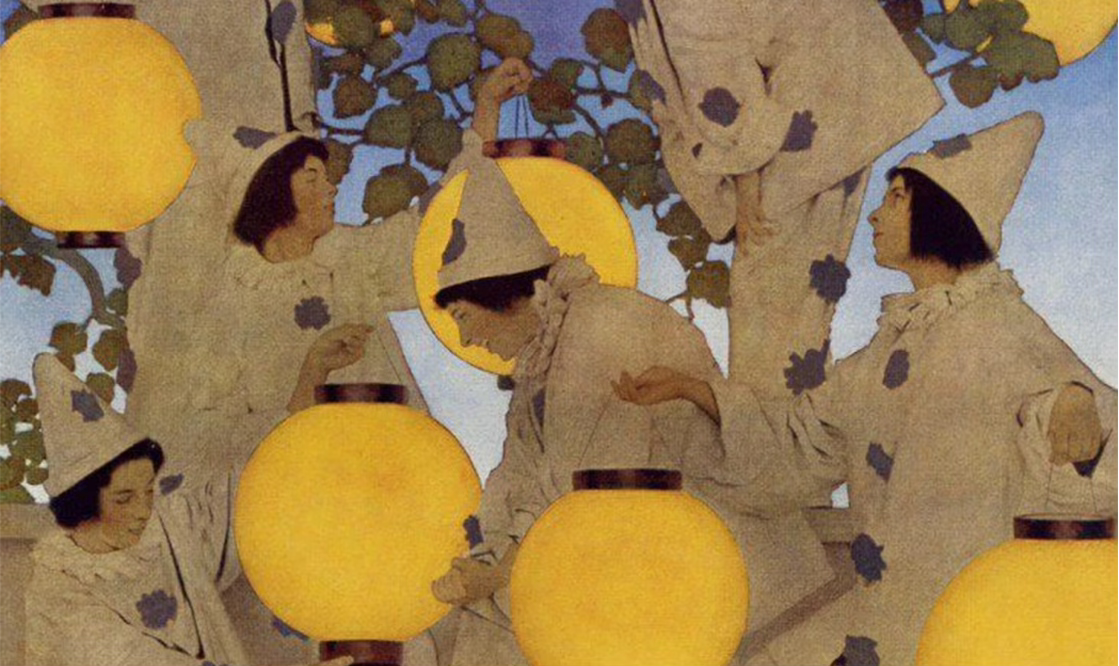
In this newsletter, I was super stoked to share some curated art that I love– in particular, Scarecrows, The Great Disguising and The Lantern Bearers. These rituals are all things that I do in my own personal journaling practice, so I sincerely hope you get some inspiration from it.
Thank you for reading and see you this Sunday,
Jada
✷
@fujijada
jadadeluca.com
deluca.jada(at)gmail(dot)com

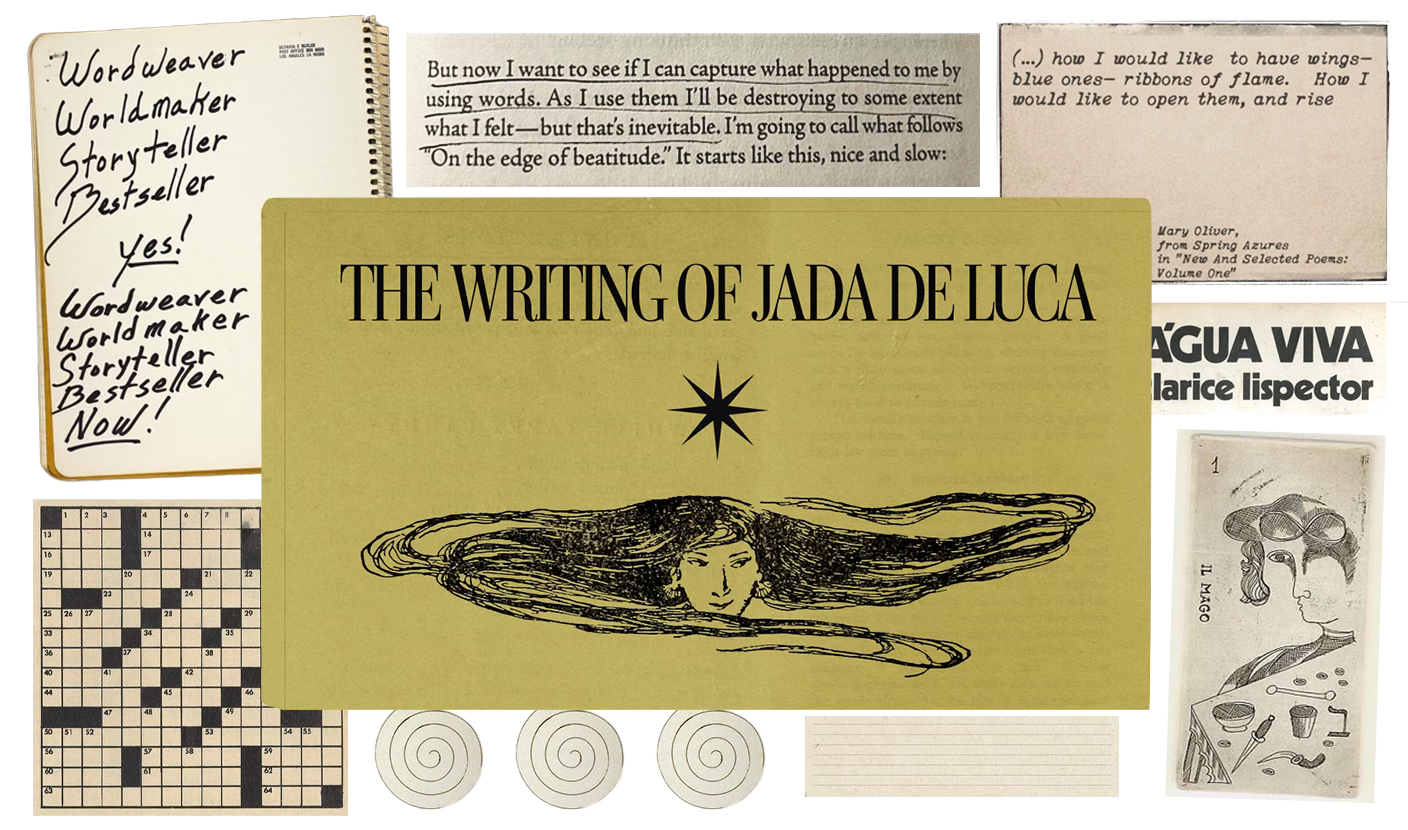
Italian-Samoan writer Jada De Luca is a visual narrator, storyteller and devout journaler. She writes about leading a reading and writing life, inspired by Mary Oliver’s poem Sometimes:
4.
Instructions for living a life:
Pay attention.
Be astonished.
Tell about it.
Telling stories through both written and visual narration (she is also a collage artist) is her way of paying attention to the magical, surreal, and intensely personal landscapes that the arts offer. Her newsletter is a source of her entire writing career; her oeuvre; a commonplace journal of essays about literature, language, writing, travel and art.
Jada’s favourite novel is Água Viva by Clarice Lispector, her favourite tarot card is The Magician, and she likes her tea with an extra sugar.
This is such a luxurious and playful prompt list. It is so rich with literary contexts and the moon prompt spoke directly to my soul. Thank you so much for this journaling treasure!
Love this! I’m writing my second novel and one of it’s them is celestial objects so definitely using the moon journaling prompts!